Sewage backup
Sewage coming up
through a drain?
Start with exposure precautions. Then get the right qualified help to establish what is happening.
Educational demonstration. This website cannot send a plumber.
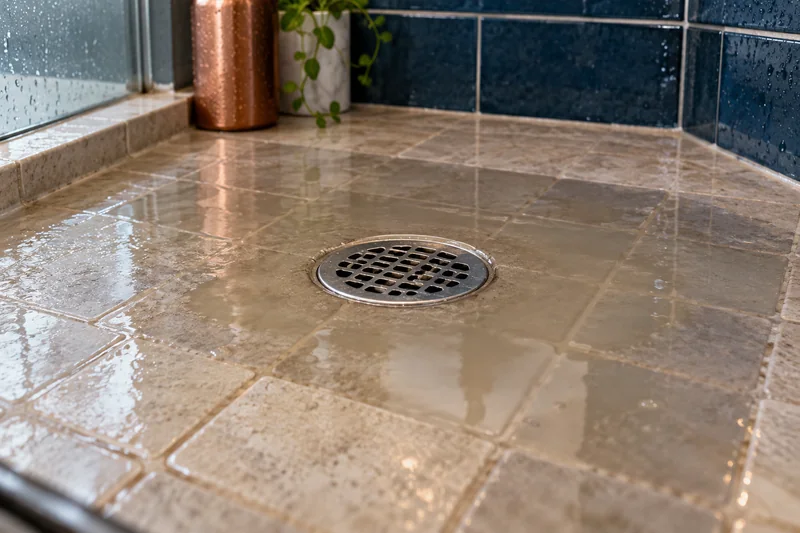
Start with exposure precautions
Keep people and pets away from sewage and avoid contact. Contact a qualified local provider promptly. For substantial contamination, ask about qualified cleanup and local health-department guidance.
Backed-up water is a symptom, not a diagnosis.
A slow drain and sewage appearing in a fixture are different situations. When wastewater comes back into the home, tell the provider exactly which fixtures are involved and whether more than one area is affected. An inspection is needed to distinguish a local obstruction from a problem farther along the drainage system.
If you know whether the home uses a municipal sewer or a private septic system, include that information. Each has different responsibilities and possible points of failure. The source cannot be established from appearance or odor alone.
Who should you contact?
| Your situation | A useful starting point |
|---|---|
| Sewage inside the home | A qualified plumbing or drain provider; ask whether contamination cleanup is separate. |
| Known septic system | A qualified septic provider. The local health department may also offer guidance. |
| Possible public sewer issue | The local wastewater utility can explain its reporting process and responsibility boundaries. |
| Immediate danger | Local emergency services or the relevant utility, from a safe location. |
Ask what the inspection will establish
- Which part of the system appears affected, and what evidence supports that finding?
- Is the proposed visit for diagnosis, clearing a blockage, or a permanent repair?
- Would a camera inspection answer a remaining question, and is it included?
- If access is limited or the findings change, when will a revised scope be approved?
Choose the method after the findings
Drain clearing, camera inspection, hydro-jetting, excavation, and trenchless repair are not interchangeable services. Ask the provider why a method fits the observed condition and what limitations apply. A method should not be promised before the system and access are assessed.
Request a written distinction between restoring flow and addressing an underlying defect. If only the immediate obstruction is handled, ask what follow-up is recommended and what evidence would justify it.
Understand the whole scope
Access, the location of the problem, the condition of the line, and the work needed afterward can affect cost and timing. Ask who handles contaminated materials, drying, surface restoration, and any required permits. A plumbing repair and a cleanup plan may involve different providers.
Further reading
Environmental Protection Agency: septic system malfunctions and sewage exposureGeneral guidance reviewed September 25, 2026. Sources provide background; a qualified provider must assess your property. Septic guidance does not diagnose municipal sewer problems.
For plumbing business owners
Your expertise deserves
a clearer first impression.
Imagine this experience built around your actual services, your people, and the work you want more of.
Website reviews and rebuilds—not plumbing assistance.