Active water or flooding
Water is spreading.
Put safety first.
Keep clear of hazards and contact real local help. This demonstration cannot receive emergencies or dispatch anyone.
Educational demonstration. This website cannot send a plumber.
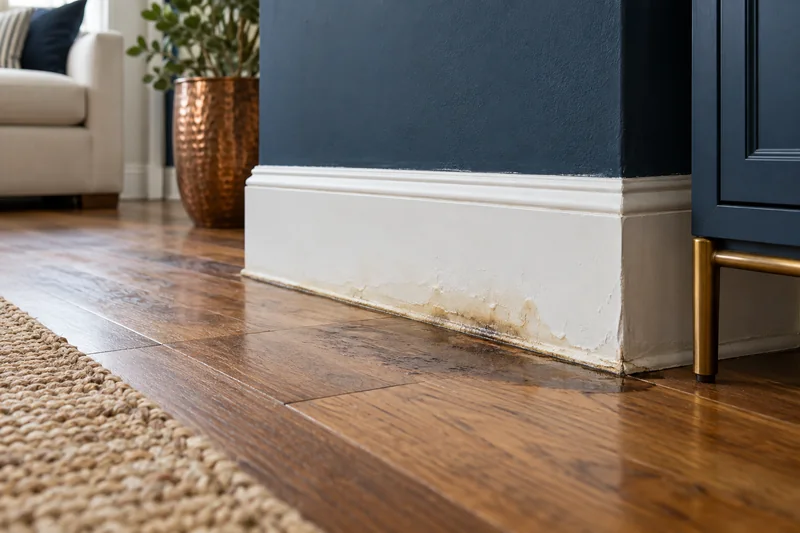
People first. Property second.
If there is an immediate threat to life or safety, call 911 in the United States. For suspected gas danger, leave and call the utility or emergency services from a safe place. Do not enter standing water to reach electrical equipment or controls.
A clear order of priorities
- Keep people and pets away from the affected area.
- Avoid contact with sewage or water that may be contaminated.
- Contact an actual local provider promptly; describe whether the water is spreading and whether electricity or gas may be involved.
- Follow instructions from emergency responders or the relevant utility when there is a hazard.
What about stopping the water?
Only consider a familiar shutoff if it can be reached from a dry, safe location and you know how to use it. If the location, valve, or surrounding conditions are uncertain, ask a qualified provider or water utility for guidance. Avoid entering water, approaching wet electrical equipment, or forcing an unfamiliar control.
This page does not provide instructions for gas controls, electrical isolation, heater shutdown, or equipment repair. Those steps depend on the installation and conditions at the property.
Tell the provider what matters first
| Say this first | Why it helps |
|---|---|
| “Water is actively spreading in…” | Identifies the immediate situation and affected area. |
| “Sewage is appearing in…” | Flags a contamination concern. |
| “There may be an electrical or gas hazard…” | Helps direct the situation to the appropriate emergency help. |
| “The home has a septic system / municipal sewer / unknown…” | Provides relevant background without guessing the cause. |
Once the immediate situation is controlled
Ask how the source will be confirmed, who will assess affected materials, and whether cleanup or drying is a separate service. Document visible conditions only when safe. Contact your insurer directly about any coverage questions; this website cannot determine coverage or claim outcomes.
A repaired pipe does not, by itself, establish that all affected materials are dry or safe to use. Ask the appropriate professional about the remaining work.
Further reading
American Red Cross: flood safety Environmental Protection Agency: septic system malfunctions and sewage exposureGeneral guidance reviewed September 25, 2026. Sources provide background; a qualified provider must assess your property. Septic guidance does not diagnose municipal sewer problems.